Produkte
Ausgewählte Produkte
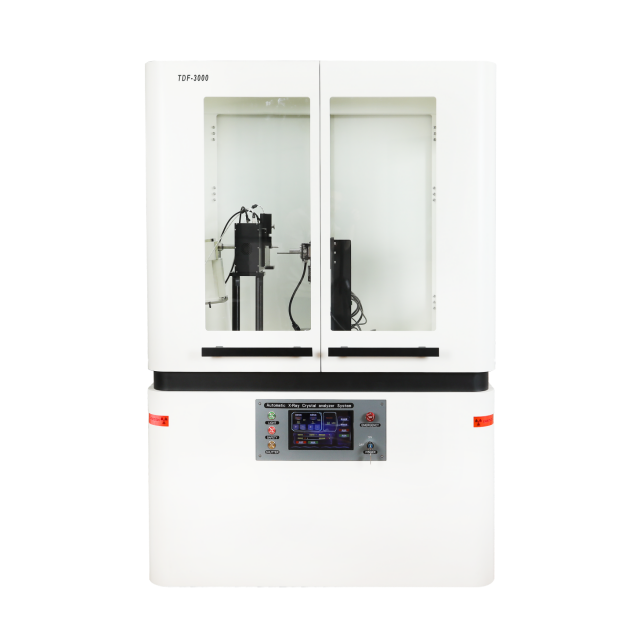
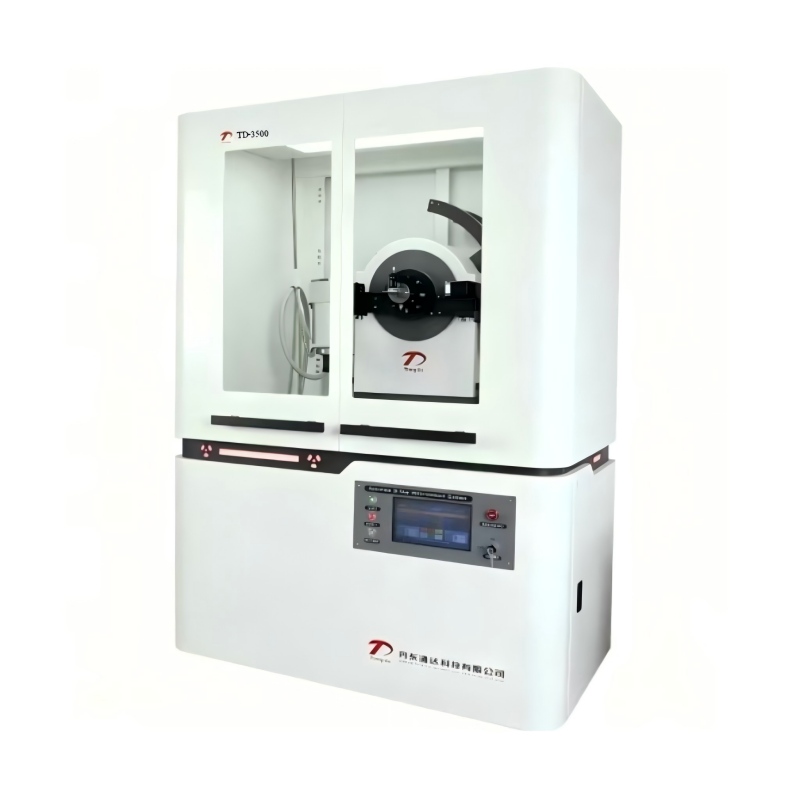
 Diffraktometer1. Die Genauigkeit des Diffraktometers ist hoch. 2. Das Anwendungsgebiet des Diffraktometers ist breit. 3. Das Diffraktometer ist einfach zu bedienen, komfortabel und effizient.Mehr
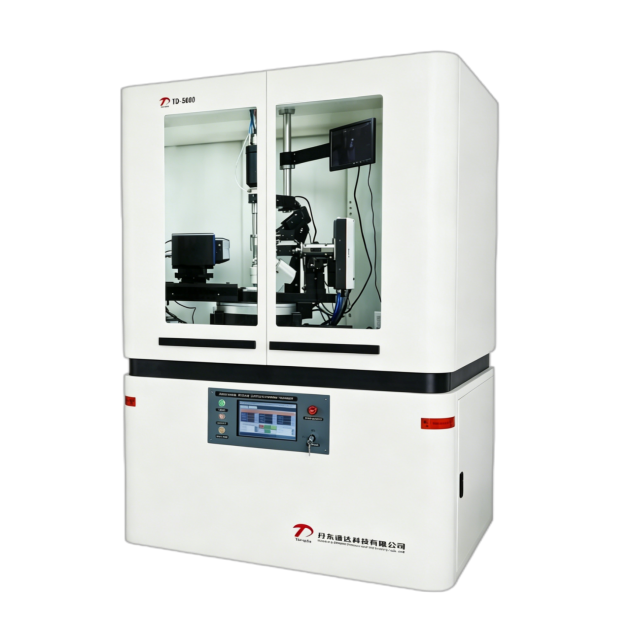
- Einkristall-Röntgenstrukturanalyse1. Die Einkristallmaschine verwendet SPS-Steuerungstechnik. 2. Modulares Design, Zubehör einfach per Plug & Play anschließen. 3. Elektronische Türverriegelung mit doppeltem Schutz. 4. Einkristall-Röntgenröhre: Es können verschiedene Targets ausgewählt werden, z. B. Cu, Mo usw. 5. Der Einkristall verwendet eine Vierkreis-Konzentrizitätstechnologie, um sicherzustellen, dass der Mittelpunkt des Goniometers unverändert bleibt.Mehr
- Serien-Röntgenkristallanalysator1. Das Röntgengerät ist einfach zu bedienen und liefert schnelle Ergebnisse. 2. Das Röntgengerät ist präzise und zuverlässig und zeichnet sich durch hervorragende Leistung aus. 3. Das Röntgengerät verfügt über verschiedene funktionelle Zubehörteile, um den Anforderungen unterschiedlicher Testzwecke gerecht zu werden.Mehr
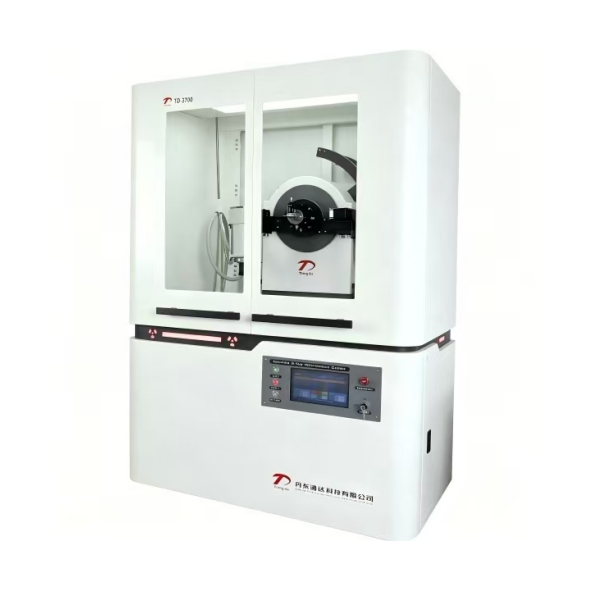
- Pulverdiffraktometer1. Detektortyp: Array-Detektor oder SDD-Detektor; 2. Automatische Steuerungsberechnung der SPS, Konvertierung des Integrationsmodus, SPS führt automatisch PHA und Totzeitkorrektur durch 3. Probenmesstyp: Pulverprobe, Flüssigkeitsproben, Schmelzproben, viskose Proben, lose Pulver, Schüttgutproben 4.Erhältlich mit einer Vielzahl von Diffraktometer-Zubehör 5.Maximale Leistung Pulver: 3kWMehr
Kontaktiere uns
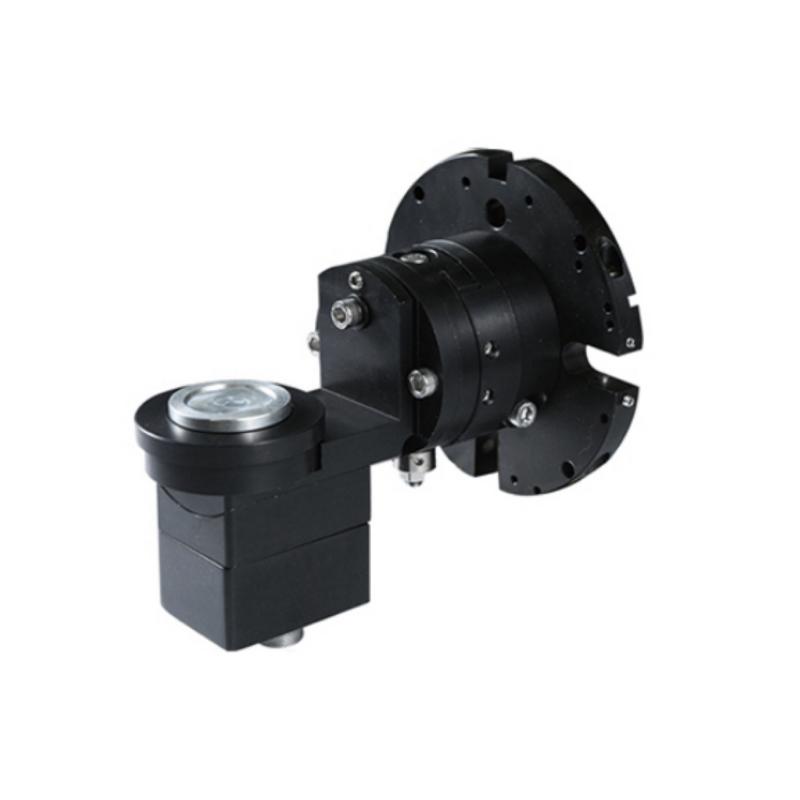
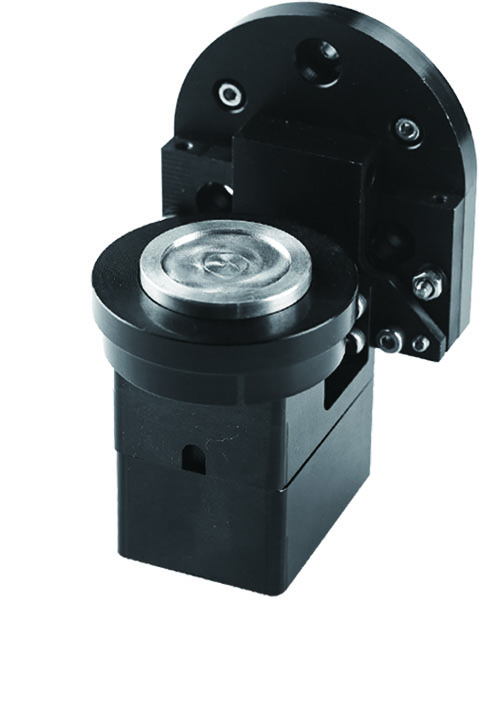
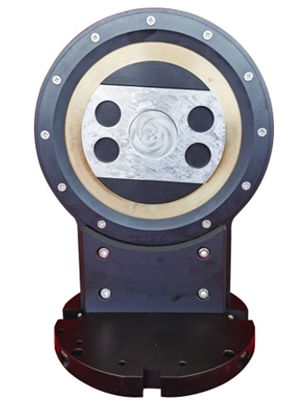
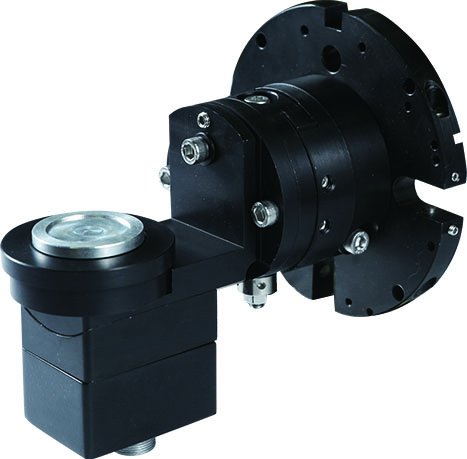
Drehbarer Probenhalter
- Tongda
- Liaoning, China
- 1–2 Monate
- 100 Einheiten pro Jahr
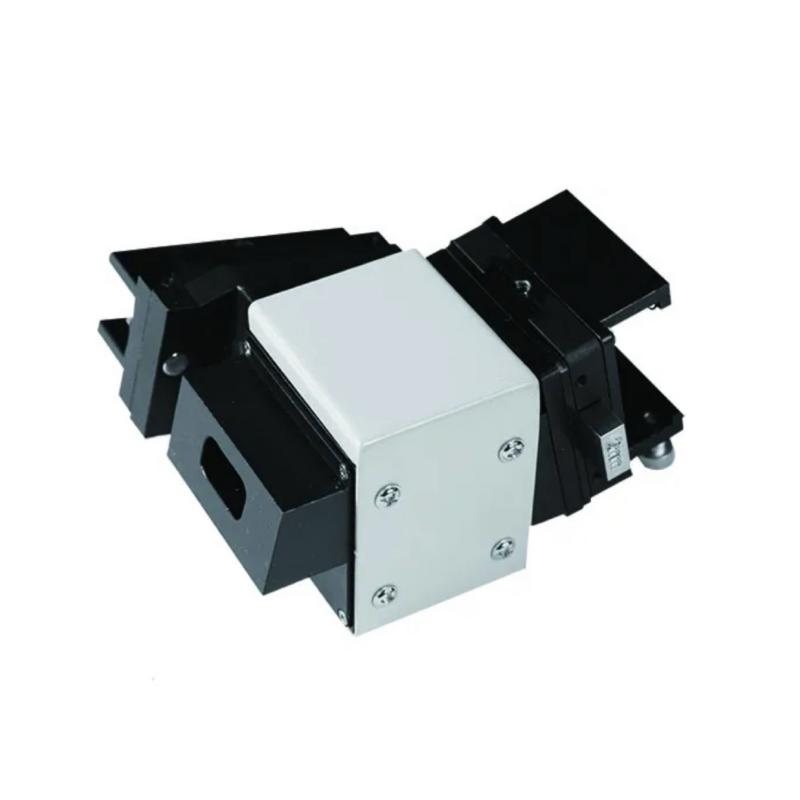
Rotating Sample Holder
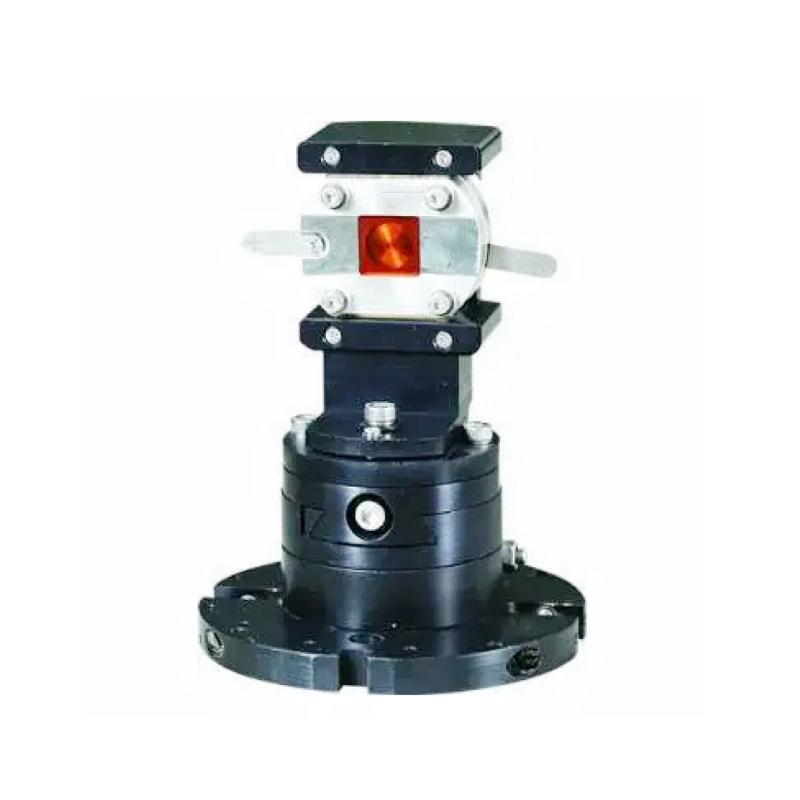
In X-ray diffraction (XRD) analysis for fields such as materials science, geological analysis, and pharmaceutical R&D, the crystal orientation and grain uniformity of a sample directly impact the accuracy and reproducibility of data. Dandong Tongda Technology Co., Ltd. has designed a High-Precision Rotation Sample Stage specifically for X-ray diffractometers. Utilizing unique in-plane rotation technology, it effectively addresses measurement errors caused by coarse grains, texture, or crystal habit in samples, helping users obtain more authentic and reliable diffraction results.
Core Technical Principle: In-Plane Rotation, Precision Statistics
The core function of this sample stage is to drive the sample to rotate continuously and steadily within its own plane.
Elimination of Coarse Grain Errors: When a sample contains a small number of coarse grains, static testing can result in non-statistically representative "spotty" diffraction patterns. By continuously rotating the sample under the X-ray beam, the rotation stage ensures the beam irradiates a larger number of grains with different orientations. This homogenizes the diffraction signal, transforming discrete spots into smooth, continuous diffraction rings and significantly reducing intensity errors caused by coarse grains.
Disruption of Preferred Orientation (Texture): For samples that have developed texture (i.e., preferred orientation of grains) during processing or growth, or samples with specific crystal habits, rotational testing ensures all possible crystal planes have an equal opportunity to diffract. This breaks the dominance of fixed orientation on diffraction intensity, yielding intensity data that truly reflects the phase composition and guarantees excellent reproducibility of measurement results.
Key Performance Parameters & Functions
Rotation Mode: β-axis (sample own plane) rotation.
Rotation Speed: Adjustable from 1 ~ 60 RPM (revolutions per minute), meeting the needs of different testing scenarios.
Operation Modes: Supports constant-speed continuous rotation for routine scans, and stepping mode for more precise measurements.
High-Precision Control: Features a minimum step width of 0.1°, ensuring precise rotational positioning.
Wide Range of Application Scenarios
This rotation sample stage is an ideal choice for the following applications:
Sample preparation and pre-treatment for texture analysis of metallic materials.
Analysis of bulk or powder samples suffering from coarse grain issues.
Analysis of samples with strong preferred orientation, such as rolled plates, coatings, and platy crystals.
Quantitative phase analysis requiring extremely high reproducibility of diffraction intensity.
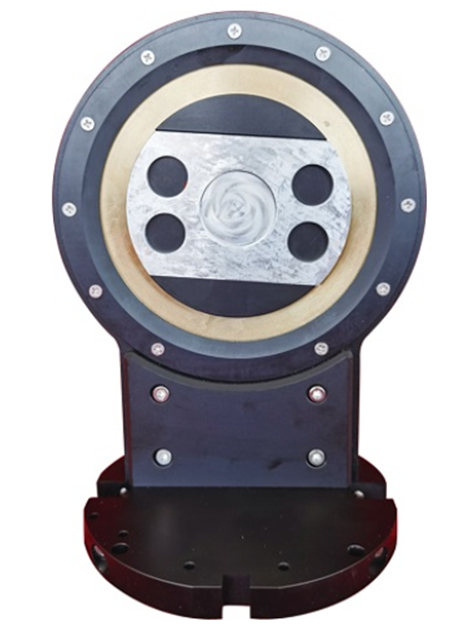
Rotating Sample Holder(XRD Sample Stage)
Specifications of Rotating Sample Holder:
| Rotation mode | β axis (sample plane) |
| Rotation speed | 1~60RPM |
| Minimum step width | 0.1° |
| Operating mode | Constant speed rotation for sample scanning (step continuous) |
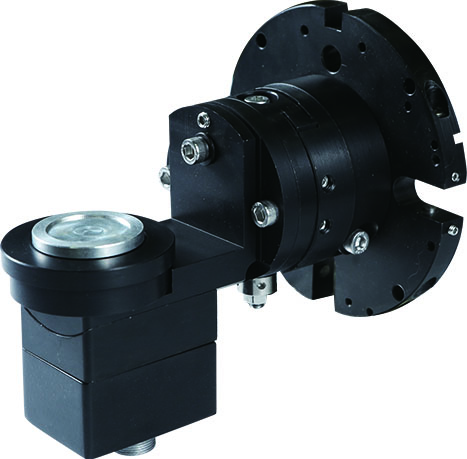
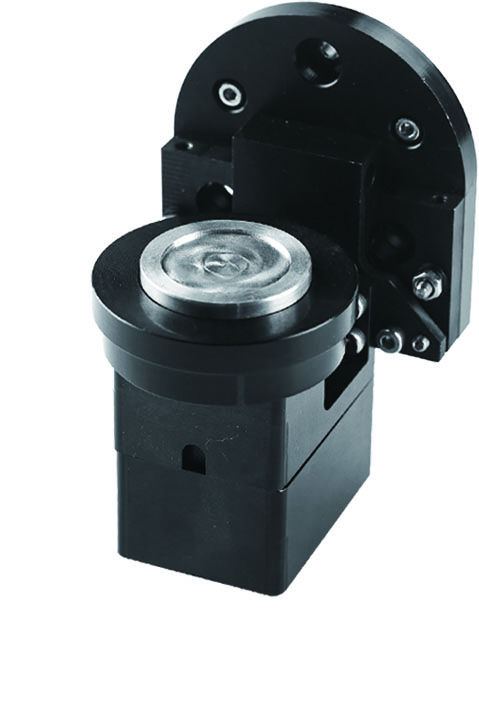
Drehbarer ProbenhalterXRD-Probenbühne)
Dandong Tongda Technology Co., Ltd. hat sich der Bereitstellung von Hochleistungs-Röntgenanalysegeräten und Zubehör für wissenschaftliche Forschung und industrielle Prüfungen verschrieben. Dieser Rotationsprobentisch verdeutlicht die hohe Kompetenz des Unternehmens im Bereich präziser mechanischer Konstruktion und sein tiefes Verständnis für experimentelle Anforderungen.
Für detailliertere Produktinformationen, Preise und Kundendienst kontaktieren Sie uns bitte direkt.